Breaking into the superyacht industry as a deckhand is both exciting and challenging. It’s a career that offers travel, tax-free earnings, and the chance to work in some of the world’s most stunning locations. But before you step aboard, you’ll need to understand the role, meet key requirements, and position yourself professionally. Here’s some tips for securing your first deckhand role.
What Does a Deckhand Do?
Deckhands form the backbone of the exterior team. You’ll be responsible for:
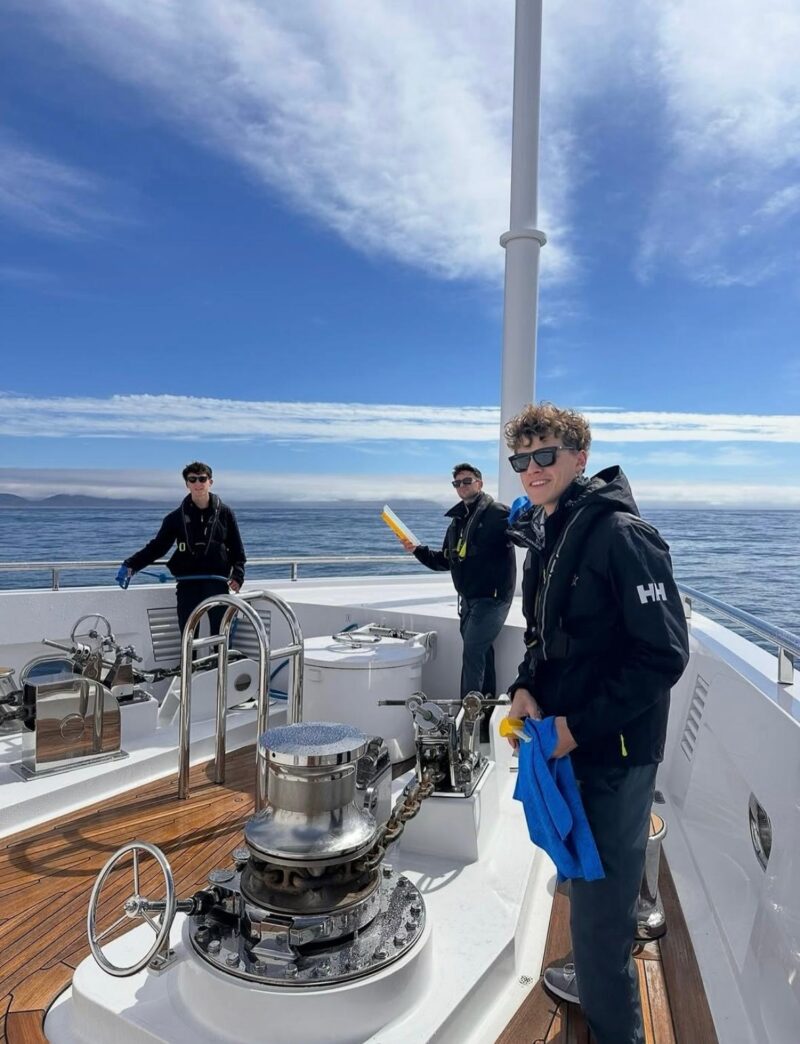
- Maintaining the yacht’s exterior (washing, polishing, varnishing)
- Assisting with tender operations and water toys
- Supporting guest activities, including watersports and excursions
- Line handling, anchoring, and general seamanship
It’s a physically demanding role that requires a strong work ethic, attention to detail, and a team-first mindset.
Essential Qualifications
To be considered for any deckhand position, you must hold:
- STCW Basic Safety Training – A mandatory five-part course covering fire fighting, first aid, personal survival techniques, and safety awareness.
- ENG1 Medical Certificate – Confirms you’re fit to work at sea.
- B1/B2 Visa – Required for non-U.S. crew working on yachts entering U.S. waters. As of September 2025, you must apply in your country of legal residence.
- Powerboat Level 2 – So you can drive the tenders
PWC (jetski) licenses, and VHF radio are highly recommended.
Secondary Skills
It’s also worth noting that secondary skills are highly sought after for junior positions; this can include experience in carpentry, dive instruction, water sports, content creation, DJing and personal training to name a few. You are one of hundreds, maybe even thousand, looking for their first deckhand role in the industry. What do you bring to the table?
Working in a pub doesn’t add anything to your CV. Being a sailing instructor is incredibly common too. You need something that makes you stand out from the crowd.
We would strongly recommend getting some relevant work experience. Working for a boat maintenance company or in a marina for 6 months will give you a wealth of knowledge and make you much more appealing to hire.
Alternatively, being a general hand for a builder learning the basics of carpentry, painting etc and getting to grips with power tools is appealing too.
Build Your CV and Personal Brand
To secure your first deckhand role, your CV should be clean, professional, and tailored to yachting. Include:
- A short bio about you, your background and your career plans
- Personal information such as contact details, nationality, relevant visas, tattoos, if you vape/smoke
- Transferable skills (such as hospitality, personal training, carpentry, watersports)
- A professional headshot – no sunglasses or hats with a presentable background
- Clear formatting and concise language
- Previous experience dated specifically – 2024-2024 could be the entire year or 1 day, clarity is important!
Register with reputable crew agencies and platforms like Yotspot and consider joining industry forums and Facebook groups to expand your network.
Dockwalking and Networking
Dockwalking, which involves visiting marinas to introduce yourself to yachts, is still a viable route, especially in hubs like Antibes, Barca and Palma. It has got significantly more challenging to access yachts in many locations with marinas having increased security – but it is worth trying where you can! Dress smartly, bring printed CVs, and be polite. Even if there’s no immediate work, making a good impression can lead to daywork or future roles.
Daywork
Unless you have the majority of essential and desirable qualifications and visas, It’s extremely rare to acquire a position without having done some daywork and/or roles onboard smaller vessels. Daywork is often the first step into the industry. It allows you to:
- Gain hands-on experience
- Build your reputation
- Learn yacht operations and expectations
- Hopefully you get a glowing reference
Treat every daywork opportunity like a trial. Show up early, work hard, and ask smart questions.
References
References are so important in Yachting. Yachts need to know that they are recruiting someone who will fit into their crew well thus gathering references from a candidates previous work is essential.
The yachting industry is small and a good impression must be maintained throughout your career, one bad reference highlighting lateness or laziness for example can really impact your application when applying for future roles.
Mindset
Yachting isn’t a holiday, it’s a high-pressure, high-standard environment. You’ll be expected to:
- Work long hours, sometimes seven days a week
- Maintain a polished appearance at all times
- Adapt quickly and take instruction well
If you’re personable, physically fit, and thrive in team settings, you’re likely to succeed.
So in summary…
Securing your first deckhand role takes preparation, persistence, and professionalism. With the right certifications, a strong CV, a proactive approach, and potentially some relevant experience, you’ll be well on your way to launching a rewarding career at sea.
Ready to take the next step? Quay Crew’s expert team is here to help you navigate the process and connect with the right opportunities.
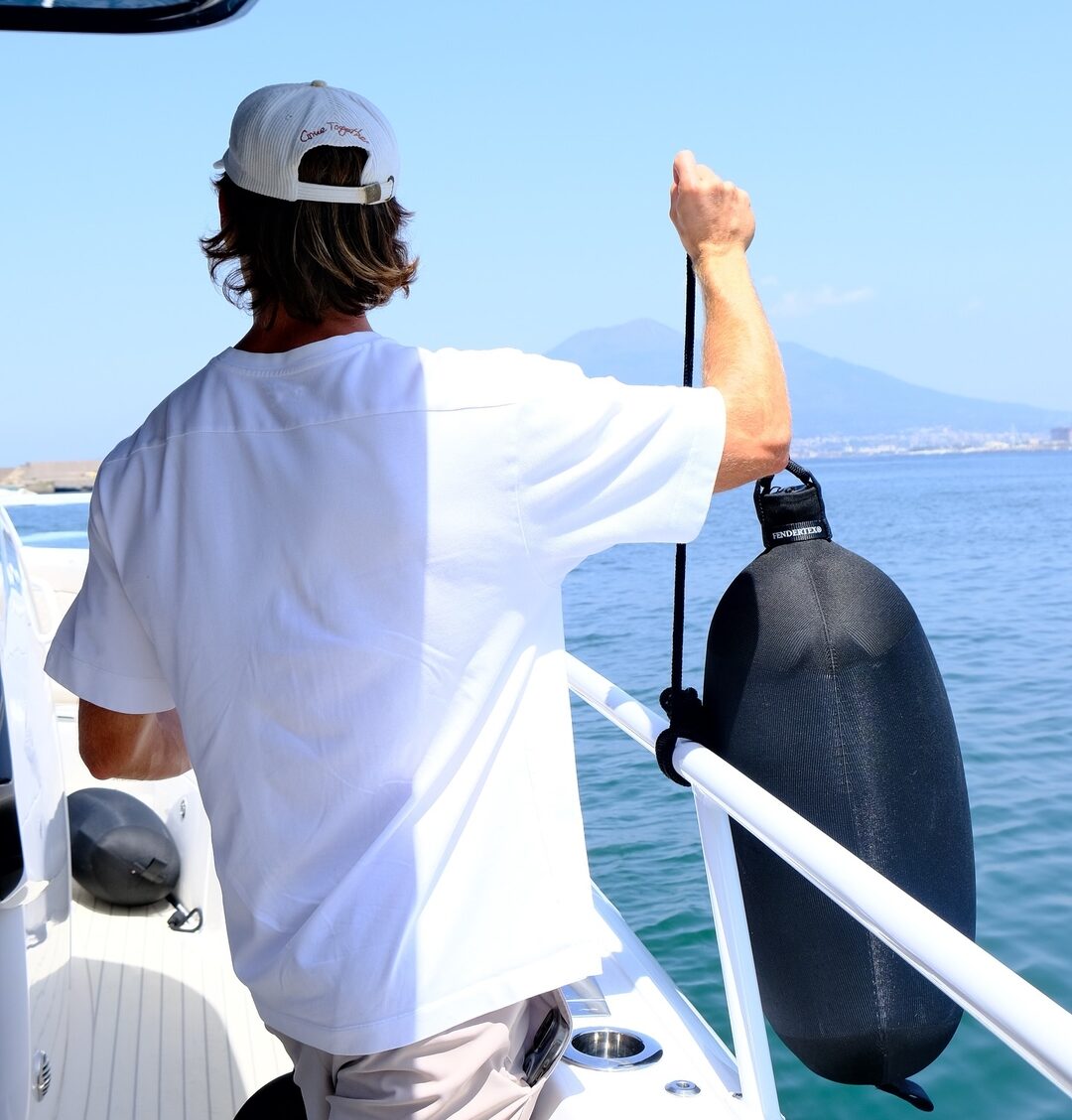
Featured image credit: @yachtcometogether on Instagram.